
What is Diabetes?
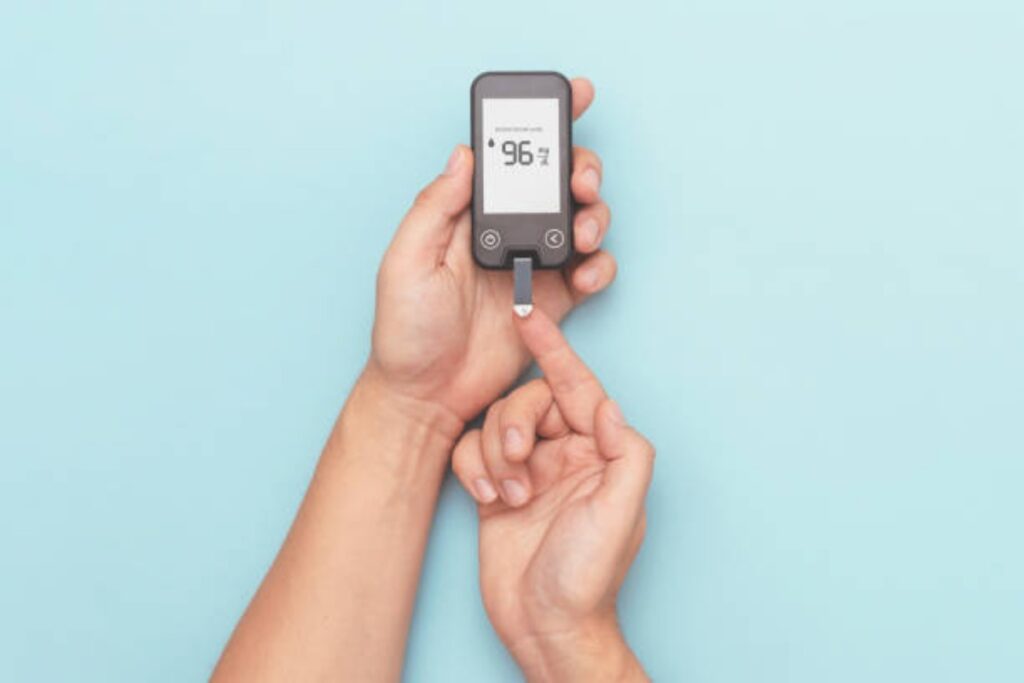
Diabetes, also called diabetes mellitus, is a virus that causes high blood sugar levels. Diabetes is diagnosed based on an abstaining blood glucose (sugar) equal to 126 milligrams per deciliter (mg/dL) or higher.
How Diabetes Develops
As the digestive system breaks down food, blood sugar levels rise. The body’s cells absorb sugar (glucose) from the bloodstream for energy. The cells do this with a hormone called insulin, which is produced in the pancreas, an organ located near the stomach.
When the body doesn’t produce enough insulin or doesn’t produce it effectively, blood sugar levels rise. As a result:
· Immediately, the body’s cells can be starved of energy.
· The fatty materials in the blood rise, causing atherosclerosis and decreased blood flow through large blood vessels.
· Over time, high blood sugar levels can injury your eyes, kidneys, nerves, or heart.
Types of Diabetes
Type 1 Diabetes
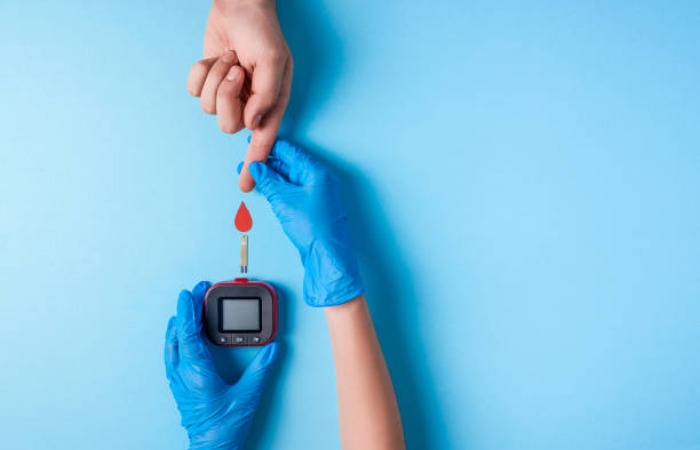
This kind of diabetes is also called insulin-dependent diabetes. Persons with type 1 diabetes obligation take insulin and may also take other medications daily. This compensates for the lack of insulin production in the body.
Type 1 diabetes was previously known as juvenile diabetes because it is usually diagnosed in children and young adults. However, this chronic, lifelong disorder can grow at a later age. People with a family history of type 1 diabetes are at higher risk of developing it.
Type 1 diabetes develops once the body’s immune scheme attacks and destroys the cells in the pancreas that produce insulin.
Once these cells are destroyed, the pancreas crops little or no insulin, so glucose remains in the blood. When too much glucose is in the blood, especially for long periods, the body’s organ systems suffer long-term damage.
Learn more about the health penalties of diabetes and how to treat it.
Type 2 Diabetes
Type 2 diabetes is the most mutual form of diabetes. Historically, type 2 diabetes was primarily diagnosed in adults. Still, adolescents and young adults are developing type 2 diabetes at an alarming rate due to family past and higher rates of obesity and physical inactivity.
This kind of diabetes can occur when the body develops “insulin confrontation” and cannot effectively use the insulin it produces. As type 2 diabetes progresses, the ability of the pancreas to produce insulin decreases.
Diabetes can develop gradually without symptoms and go unnoticed for many years. This is a cause for concern because raw diabetes can lead to many serious medical glitches, including cardiovascular disease.
Type 2 diabetes can be delayed or controlled with diet and exercise.
Except for gestational diabetes, which first appears during pregnancy, once the body becomes diabetic, managing your diet and health will be a lifelong process.
If you have been diagnosed with diabetes, it is essential to shadow your healthcare provider’s recommendations and take all medications as directed. Committing to a healthy diet and lifestyle vicissitudes is vital to help manage your disease and slow its progression.
Precursors to Diabetes
Insulin Resistance
Insulin resistance occurs when the body produces insulin but cannot use it effectively. This causes glucose to build up in the flow instead of being used by cells.
To reduce high blood sugar levels, insulin-producing cells in the pancreas issue more and more insulin to keep blood sugar levels regular. Gradually, these cells stop responding to the body’s need for insulin. As a consequence, blood sugar levels begin to rise.
When a person has too much glucose (hyperglycemia) or too much insulin in their blood (hyperinsulinemia) while fasting, they may have insulin resistance.
Health Risks of Insulin Resistance
People with insulin confrontation are at higher risk of emerging prediabetes, type 2 diabetes, and cardiovascular disease.
People with insulin confrontation are more likely to have a history of obesity and physical inactivity. They are also expected to have other cardiovascular risk issues, such as high cholesterol and blood pressure.
Other risk factors for insulin resistance include:
· Being 45 years of age or older
· Family memberships with diabetes
· History of gestational diabetes, heart disease, or hit
· Polycystic ovarian syndrome
· African American, Alaska Innate, American Indian, Asian American, Hispanic/Latino, Native Hawaiian, or Pacific Islander
Other factors contributing to insulin confrontation comprise metabolic syndrome, sure medications, and hormonal and sleep disorders.
That’s why it’s essential to know your risk factors for diabetes and take steps to prevent it.
Prediabetes
Prediabetes means your body has trouble lowering your blood sugar to a healthy level but hasn’t yet reached the level of type 2 diabetes.
If you’ve been told you have prediabetes, you can reduce your risk of emerging type 2 diabetes by improving your diet, cumulative your physical activity, and losing weight if you’re overweight.