

Successful weight management requires the right combination of exercise and dietary control. Reducing calorie intake helps you lose weight, but exercise is necessary to maintain weight loss. Exercise is more valuable than burning calories because it improves cardiovascular health, mood, and overall well-being.
This guide provides basic well-being strategies to help people incorporate exercise into their daily routine and practice it regularly.
Why Exercise is Essential for Weight Loss
Weight loss is based solely on burning more calories than your body consumes daily. The most actual method of losing weight is through dietary changes; however, regular exercise will help maintain your weight after dieting. Regular physical activity:
- Physical activity increases your metabolism, which increases your ability to burn calories throughout the day.
- Exercise helps preserve muscle tissue while burning fat.
- Exercise positively affects cardiovascular health and increases your daily energy levels.
- Exercise helps reduce anxiety and improve mental health.
Full physical fitness includes any movement, including by means of stairs instead of elevators and walking instead of driving for short trips.
How Much Exercise is Needed?

Starting any physical activity during the day will be more beneficial than not doing it. Regularity of training will allow you to increase the time of training while increasing its intensity. Ideally, you should try:
- 30 minutes of moderate exercise most days of the week.
- If you’re short on time, breaking your workouts into 10- to 15-minute sessions is a great option.
- As your fitness improves, increasing the intensity can give you the same effect in less time. For example, jogging for 30 minutes is just as effective as walking for 60 minutes.
Best Exercises for Weight Loss
The benefits of exercise include increasing your heart rate and improving your breathing. Certain types of exercise are more effective than others.
Cardio Workouts
You can increase your endurance and reduce calorie consumption by walking, jogging, swimming, cycling, and dancing. The exercises are practical even for beginners and can be attuned depending on your fitness level.
Strength Training
You can combine strength training with resistance bands or do push-ups and squats with your body weight to build muscle strength. Muscle tissue helps boost your metabolism, which permits you to burn calories throughout the day, even when you’re not moving.
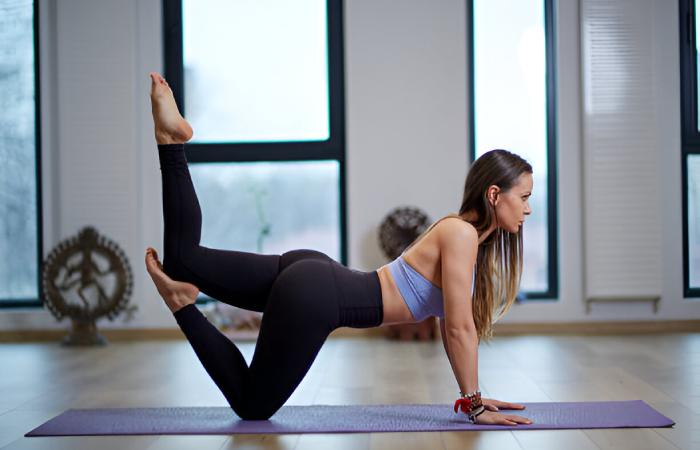
Exercise can take many forms, both structured and unstructured, as physical fitness does not require special training. No special gym is necessary to stay active, as everyday activities such as children’s games, housework, gardening, and simply moving the body through regular movements help to keep fit.
Swimming
It can be hard to motivate yourself to exercise when your knees or back hurt. Swimming is a great option. It’s easy on your joints, works both your upper and lower body, and provides a good cardiovascular workout. Plus, the resistance of the water will do you good. Swimming for half an hour a few times a week can diminish your risk of heart illness, stroke, type 2 diabetes, and some cancers. It can also lower your bad cholesterol and blood pressure.
High-Intensity Interval Training (HIIT)
High-intensity interval training (HIIT) is an exercise that alternates between intense and less intense. It should not be done daily, but it is very effective for weight loss. HIIT burns more calories than regular cardio. Intense exercise keeps the body active and promotes fat burning for up to 24 hours after the workout.
Jumping Rope
If you are looking for an inexpensive piece of fitness equipment that you can take on the go, a jump rope may be the perfect solution. Hopping rope is a great way to burn calories quickly. In fact, jumping rope burns more calories than walking on a treadmill. Plus, you engage multiple muscle groups, from your core to your upper and lower body. Jumping rope also improves your coordination.
Starting Safely and Avoiding Injuries in Exercise
When starting an program, it is recommended to gradually increase the load and choose exercises that correspond to your comfort level. People with medical restrictions, men over 45 and women over 55 should consult a doctor before starting an intense exercise program.
Stretching the muscles immediately after exercise reduces the risk of stiffness and possible injuries. Strength training is recommended twice weekly to give the muscles enough time to recover between workouts.
The Bottom Line
Losing weight can improve your physical condition, health, and appearance. An lively lifestyle, regular exercise, and a balanced diet will ensure long-term success. Finding activities you enjoy is essential to make fitness a regular practice rather than a chore.
Have ideas or experiences to share? Please contribute to our Health & Fitness section and stimulate others to live an active and healthy lifestyle!