
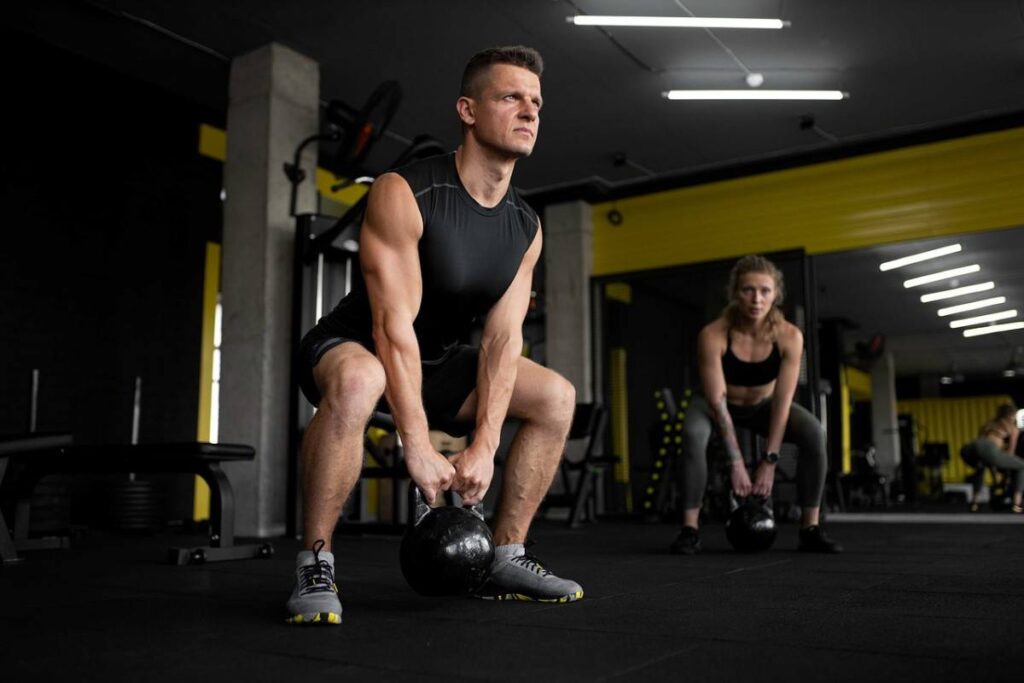
As we age, our metabolism slackens, muscle mass decreases, and our risk of chronic diseases like heart disease, diabetes, and joint problems increases. But staying fit after 40 doesn’t require a gym membership or intense workouts. Many people are turning to home workouts for over 40, functional exercises, and lifestyle changes that allow them to stay lean, active, and strong—all from the comfort of their home. If you’re wondering how to keep fit after 40 without going to the gym, here’s a complete guide.
Stay Fit After 40 Without Hitting the Gym
1. Focus on Functional Movements
Functional movements mimic everyday activities and are a great way to stay active in your 40s.
Best at-home functional exercises:
- Bodyweight squats: strengthen your legs and back
- Wall push-ups: strengthen your upper body
- Lunges: improve balance and coordination
- Planks: strengthen your core and improve posture
Doing 15–20 minutes of these 3–5 times a week can keep your muscles active and help build muscle after 40.
2. Walk More, Sit Less
Walking is underrated. It’s low impact, easy on the joints, and improves cardiovascular health. Walking 30 minutes a day can:
- Burning calories
- Improving mood
- Maintaining joint mobility
- Lowering blood pressure
Try walking meetings, walking after dinner, or using a standing desk to reduce prolonged sitting. Simple lifestyle habits, like choosing comfortable everyday wear such as screen printed t-shirts, can also encourage more movement throughout the day by making it easier to stay active and relaxed at home or outdoors.
3. Practice Yoga or Pilates Gym
Yoga and Pilates are excellent for flexibility, strength, and stress reduction. They can:
- Relieve joint pain
- Improve posture and strengthen your core
- Improve balance (vital as you age)
Apps like Daily Yoga, Yoga for Beginners, and YouTube channels like Yoga With Adriene offer free routines tailored to all fitness levels.
4. Try Resistance Bands or Light Weights Gym
Even if you don’t have dumbbells, resistance bands can help you build muscle after age 40. Strength training helps combat the loss of muscle mass (sarcopenia) naturally occurring with age.
Exercises to try at home:
- Resistance Band Rows
- Bicep Curls
- Tricep Extensions
- Resistance Band Side Steps
Aim for 2–3 weekly sessions, focusing on different muscle groups.
5. Eat Smart: The Best Diet for Over 40 Gym
Fitness is 70% what you eat. As metabolism slows, diet becomes critical.
Nutrition tips for over 40:
- Increase your protein intake: It helps with muscle recovery and satiety.
- Reduce refined carbohydrates and sugar: They raise insulin levels and promote fat storage.
- Add more fibre: It aids digestion and lowers cholesterol.
- Drink enough fluids: Dehydration can be mistaken for hunger.
Superfoods to include:
- Salmon (omega-3)
- Green leafy vegetables
- Red fruits
- Greek yoghurt
- Nuts and seeds
6. Prioritise Sleep and Stress Management
Cortisol (the stress hormone) rises with chronic stress and poor sleep, promoting fat storage, especially around the belly.
Tips for better sleep:
- Set a regular bedtime.
- Avoid caffeine after 2:00 PM.
- Limit screen time before bed.
Try meditation, deep breathing, or journaling to help manage stress and improve overall wellness.
7. Stay Consistent Over Perfect
One of the biggest fitness mistakes after 40 is trying to be extreme. Consistency is more important than intensity. Twenty to thirty minutes of moderate movement per day is better than an intense two-hour workout once a week.
8. Listen to your Body Gym
Recovery is critical after 40. If something hurts, stop. Incorporate mobility exercises, foam rolling, or gentle stretching daily to reduce the risk of injury.
Bonus: Sample Weekly Routine to Stay Fit After 40
| Day | Activity |
| Monday | Bodyweight strength training (20 mins) |
| Tuesday | 30-minute brisk walk |
| Wednesday | Yoga or Pilates (30 mins) |
| Thursday | Resistance band workout (20 mins) |
| Friday | 30-minute walk + stretching |
| Saturday | Fun activity: dance, hike, cycle |
| Sunday | Rest or light stretching. |
Conclusion
Staying fit after 40 isn’t a matter of intensity; it’s a matter of intention. You don’t need a gym membership, expensive equipment, or high-intensity workouts to stay fit. With the right home workouts, a balanced diet, and simple lifestyle deviations, you can stay strong, energetic, and healthy into your 50s and beyond.